Call Us

Call Us
Send Email
Location
Welcome to Hexagonal Nano New Material
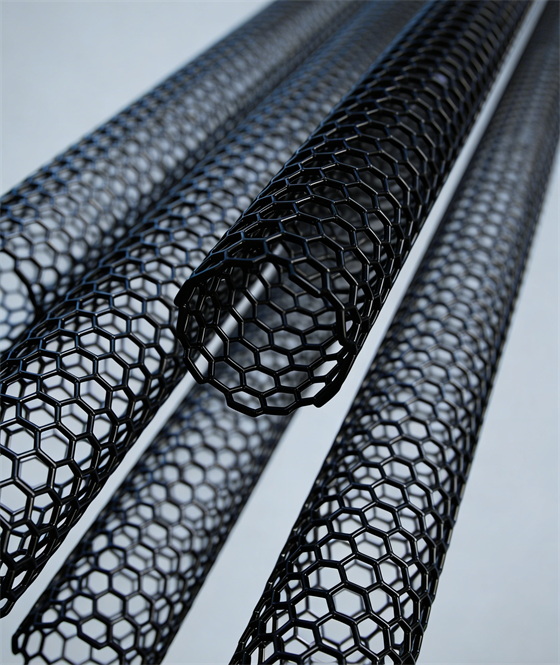
StructureCarbon nanotubes are seamless, hollow tubular structures formed by the rolling of graphene sheets, with diameters in the nanometer range and lengths reaching up to millimeters or even centimeters. Based on the number of graphene layers, they can be classified into single-walled carbon nanotubes (SWCNT) and multi-walled carbon nanotubes (MWCNT), exhibiting an extremely high aspect ratio.
FeatureCarbon nanotubes exhibit excellent mechanical properties (with a tensile strength approximately 100 times that of steel), extremely high electrical conductivity (similar to metals or semiconductors), and superior thermal conductivity (far exceeding that of diamond), making them ideal reinforcements for the next generation of high-performance composite materials.
ApplicationFrom nanoelectronic devices, transparent conductive films, lithium-ion battery electrodes, supercapacitors, to aerospace structural materials, biosensors, and drug carriers, carbon nanotubes are driving technological innovation in multiple frontier fields.
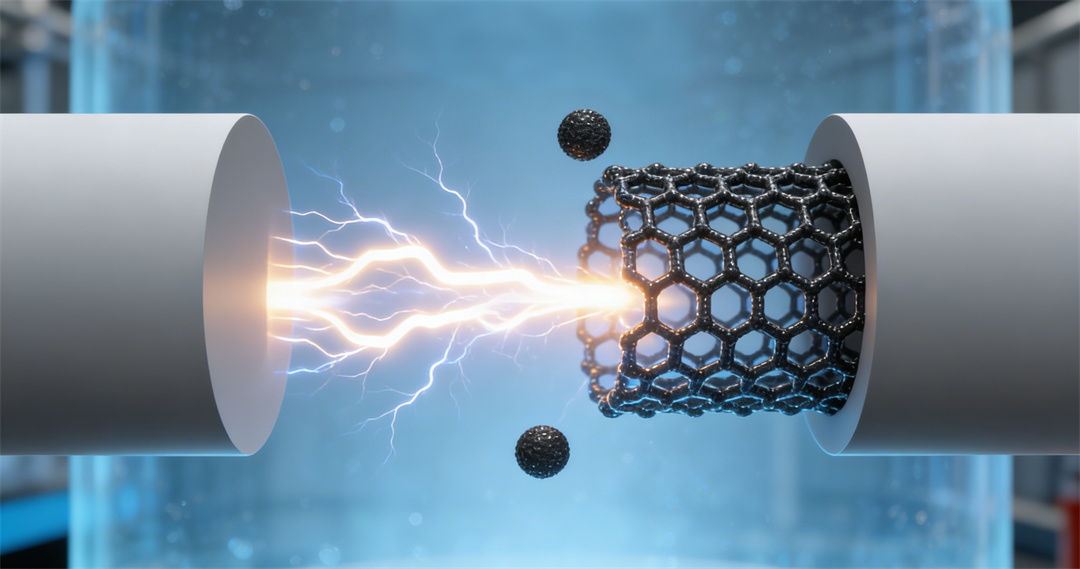
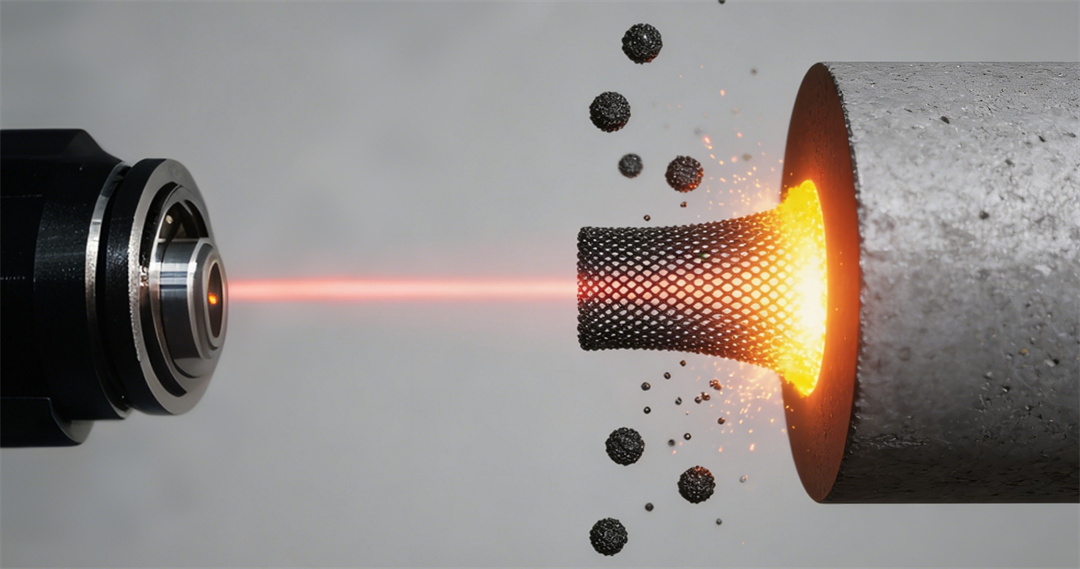
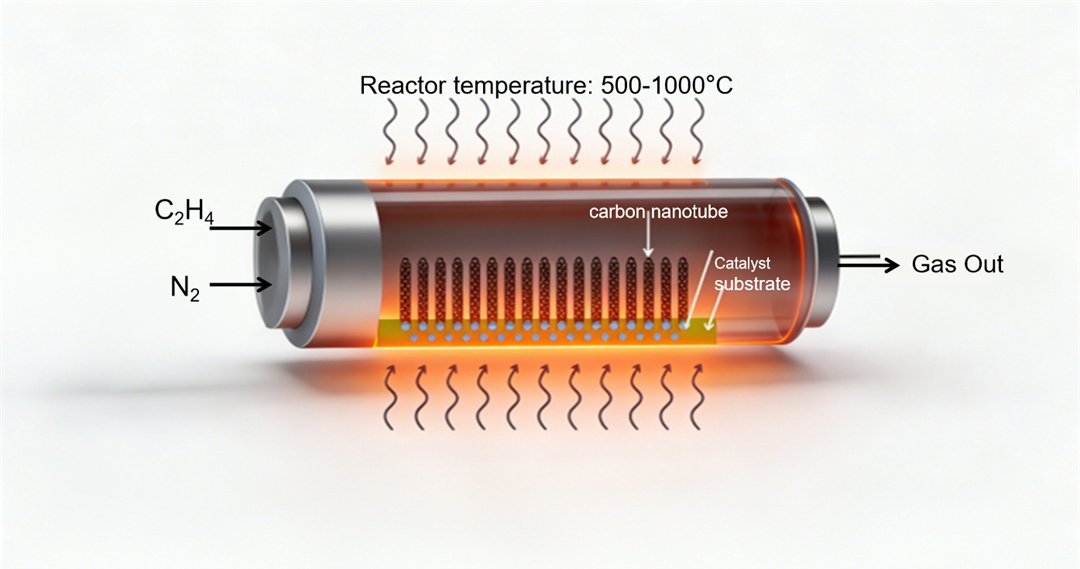
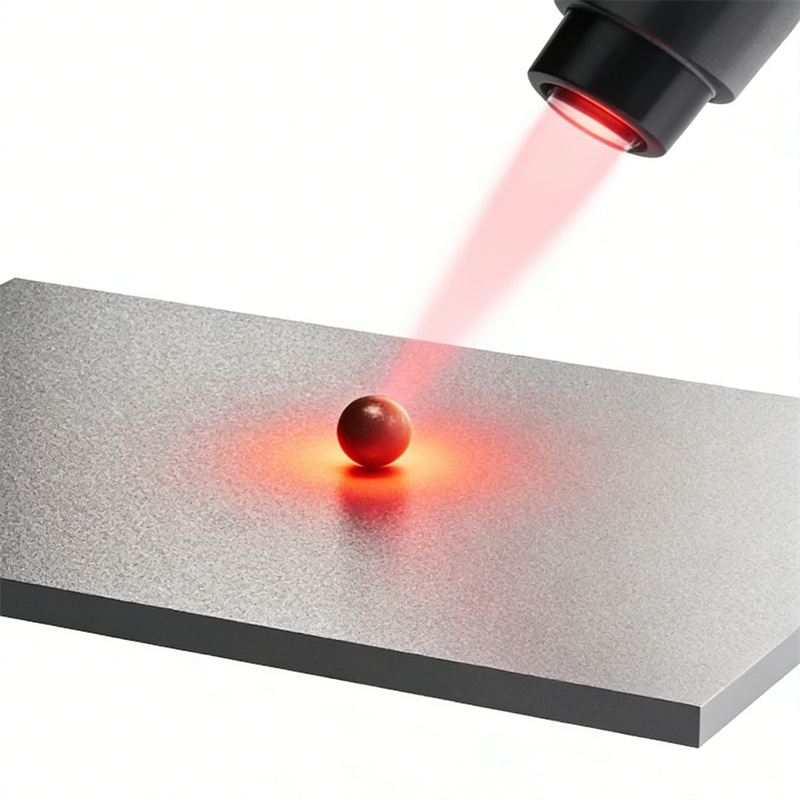
| Methods | Plasma arc discharge | Chemical vapor deposition(CVD) | Laser evaporation |
|---|---|---|---|
| Advantages | The equipment is simple, with high crystallinity of carbon nanotubes, capable of preparing multi-walled/single-walled nanotubes, and exhibiting rapid reaction. | Good controllability, easy to scale up, relatively low growth temperature, directional array growth, and high product purity. | Single-walled carbon nanotubes have high quality, concentrated diameter distribution, fewer by-products, and a wide range of adjustable parameters. |
| Disadvantages | The product contains a high amount of impurities (amorphous carbon, metal particles), making the purification process complex and the yield unstable. | Reliance on metal catalysts may lead to metal residue, high substrate requirements, and high process costs for some processes. | The equipment is expensive, the production efficiency is low, it is not suitable for large-scale industrial production, and the energy consumption is high. |
| Yield and Cost | Low to medium yield, moderate cost, suitable for laboratory preparation and small-scale production. | High yield and relatively economical cost make it the most mainstream technology for industrial mass production. | Low yield and high cost, mainly used for research on high-purity single-walled carbon nanotubes. |
| Typical application tendency | Basic research, high-conductivity composite fillers, field emission electron sources. | Electronic devices, transparent conductive films, energy storage electrodes, and reinforcement phases in composite materials. | High-precision sensors, nanoelectronics, and high-performance single-walled carbon nanotube devices. |
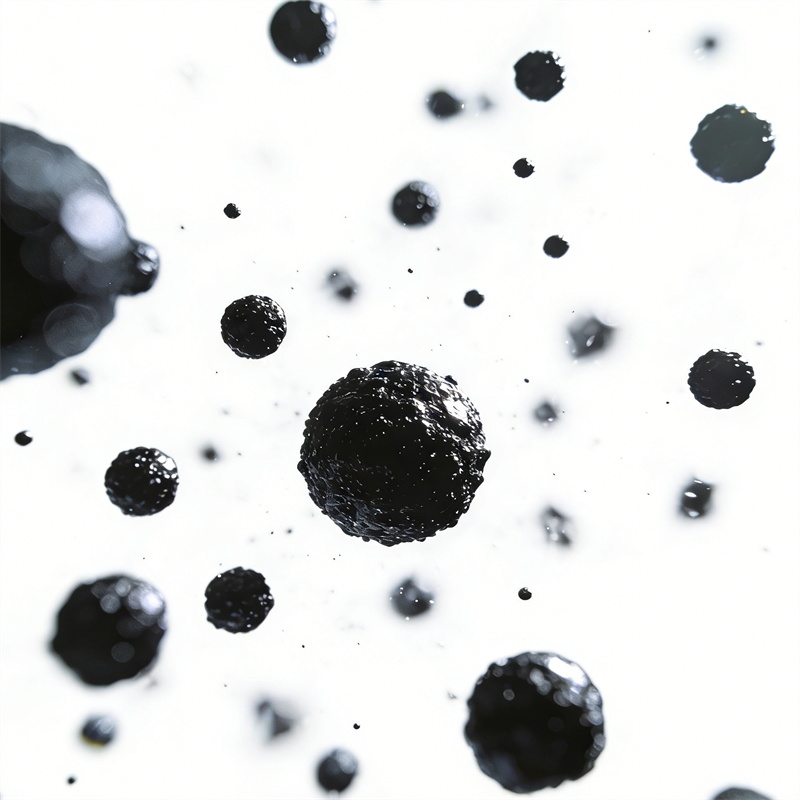
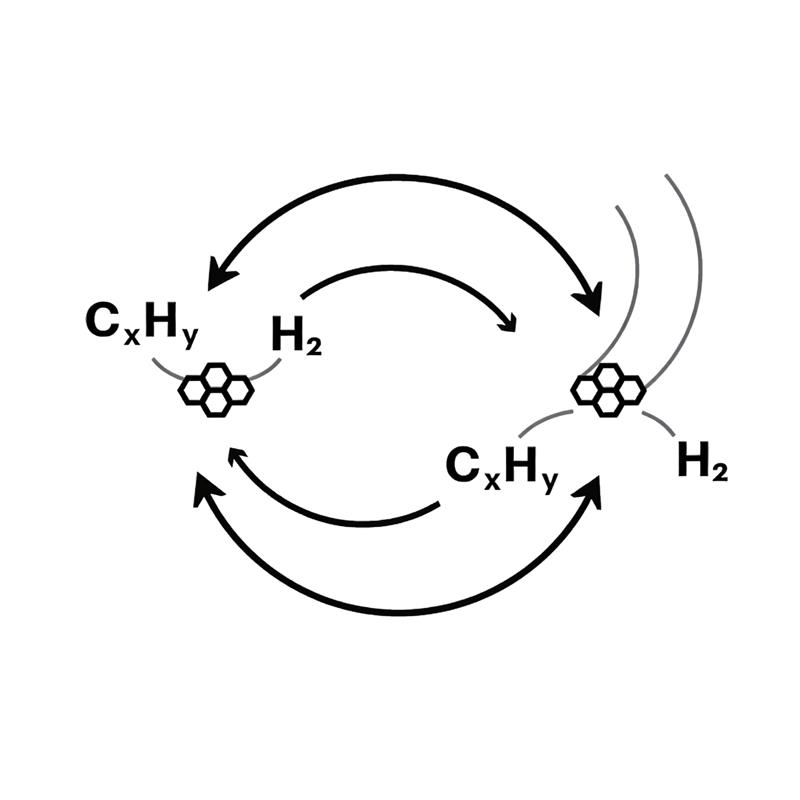
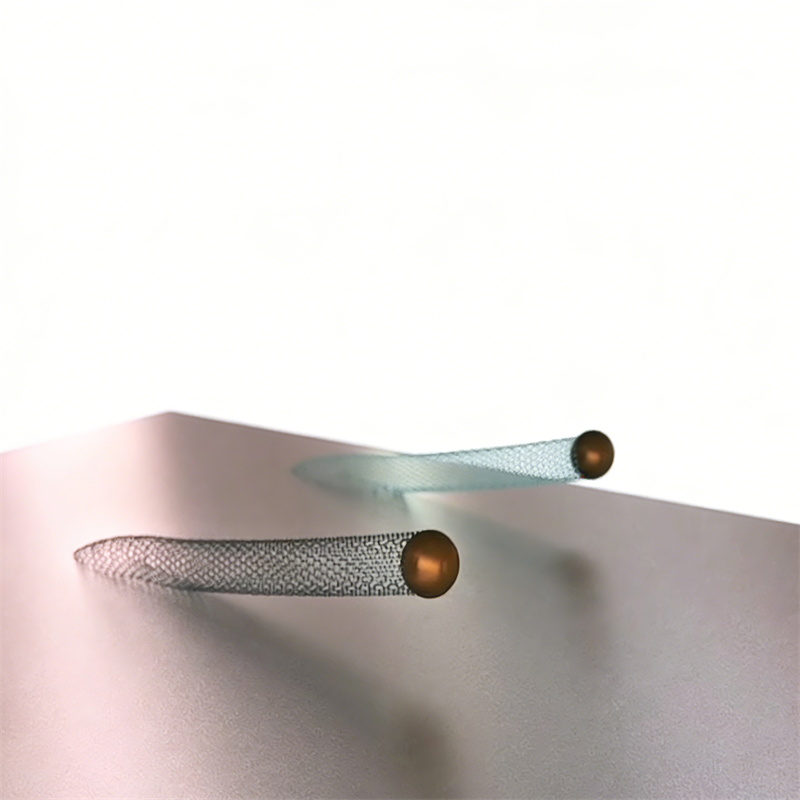
Chemical vapor deposition is currently globally recognized as the most mature and commercially promising technology
for mass production of carbon nanotubes. This method involves pyrolyzing hydrocarbon gases (such as methane and
ethylene) in a high-temperature tube furnace and achieving ordered assembly of carbon atoms on the surfaces of
transition metal catalyst (iron, cobalt, nickel) nanoparticles, thereby efficiently and purely growing single-walled
and multi-walled carbon nanotubes.
Compared to arc discharge and laser ablation methods, CVD possesses outstanding advantages such as excellent
controllability, scalability, and compatibility with semiconductor processes. It has become the preferred solution
in the fields of lithium battery conductive agents, high-end composite materials, and chip interconnection.
| Comparison dimension | Single-walled carbon nanotubes (SWCNT) | Multi-walled carbon nanotubes (MWCNT) |
|---|---|---|
| Typical pipe diameter value | 1-2 nm | 7-100 nm |
| Typical length | Up to 1 mm | Up to 1 mm |
| Aspect ratio | Up to 10 000 | 50-4000 |
| Elastic modulus | 1000-3000 GPa | 300-1000 GPa |
| Tensile strength | 50-100 GPa | 10-50 GPa |
| Structural Features | Seamless cylindrical tube formed by the curling of a single layer of graphene | Multi-layer graphene concentric cylinder nested structure |
| Thermal conductivity at 300K | 3000-6000 W/(m·K) | 2000-3000 W/(m·K) |
| Typical application scenarios | Nanoelectronic devices, transparent conductive films, biosensors, high-performance composite materials | Lithium-ion battery conductive agent, structural reinforcement filler, electromagnetic shielding, antistatic coating |